
A broken tooth cannot be repaired at home, but almost every break can be fixed by a dentist. The two immediate steps are protecting the tooth and booking promptly. Repair options range from composite bonding for small chips to crowns, root canal treatment or, in the most severe cases, extraction and a dental implant.
If you’ve just chipped, cracked or fractured a tooth, take a breath. You have time to read this. Below, we walk you through what to do in the first thirty minutes, when a break becomes a genuine emergency, how dentists at our Rosebank and Bedfordview practices repair different kinds of damage, and what it typically costs in South Africa. This guide is written for the panic and the planning phase, in that order.
Key Takeaways
- In the first 30 minutes, rinse gently, save any fragment in milk, control bleeding with gauze, apply a cold compress, cover sharp edges with dental wax, and contact your dentist for the earliest appointment.
- A broken tooth becomes a dental emergency if there is severe unrelenting pain, bleeding that won’t stop, a visibly exposed nerve, a loose tooth, or facial swelling. These need same-day professional treatment.
- Repair costs in South Africa typically range from R800 to R2,500 for composite bonding, R6,000 to R12,000 for veneers, R7,000 to R14,000 for crowns, and R22,000 to R38,000 for a full dental implant.
- Medical aid may cover part of the fee depending on your plan and the reason for treatment.
- A custom-fitted mouthguard for contact sport, a night guard for grinding, and dropping the hard-food and teeth-as-tools habits noticeably reduce the risk of future chips and cracks.
Broken a Tooth? Do These Things First
The first half hour matters. Not because you can fix the tooth yourself, but because what you do now protects the fragment, calms the tissue around the break, and gives your dentist more to work with. Follow these steps in order:
- Rinse your mouth gently with warm water. This clears away blood, grit or food debris so you can see what’s happened. Do not scrub the area with a toothbrush.
- Save the fragment if you can find it. Place the broken piece in a small container of milk, or hold it inside your cheek in saliva. Both keep the tissue cells viable. Water is a last resort.
- Control any bleeding. Bite gently on a clean, damp gauze or a folded tissue for ten to fifteen minutes. Light bleeding from the gum around a broken tooth is normal.
- Reduce swelling with a cold compress. Hold a cold pack or wrapped ice against the outside of your cheek in short intervals.
- Cover a sharp edge. A ragged edge can shred your tongue or inner cheek. Press a small piece of dental wax, or a piece of sugar-free chewing gum, over the sharp point.
- Manage pain sensibly. Take an over-the-counter pain reliever as directed on the packaging.
- Phone a dentist and book the earliest appointment. Explain that it’s a broken tooth so the practice can slot you into a same-day appointment where possible.
- Avoid chewing on that side, and skip anything very hot, very cold or very sweet until you’ve been seen.
When a Broken Tooth Is an Emergency
Most chipped teeth are urgent but not emergencies. A broken tooth becomes a dental emergency when any of the following are present:
- Severe, unrelenting pain that isn’t calmed by over-the-counter pain relief.
- Bleeding that won’t stop after fifteen to twenty minutes of gentle, steady pressure.
- A visibly exposed nerve, often seen as a pink or red dot in the middle of the broken surface, usually with sharp sensitivity to air.
- A tooth knocked loose in its socket, or pushed out of alignment.
- A large piece missing from a front tooth, especially in a child or teenager.
- Swelling of the face or jaw, or a fever alongside the break.
In these cases, you need to be seen the same day. If you’re in Johannesburg, our emergency dental care in Bedfordview page explains what to expect on arrival and how to reach us quickly. Outcomes can vary depending on how the tooth broke and how quickly it’s treated, which is why the timing of the call matters more than a perfect diagnosis on your part.
Chipped, Cracked or Broken: Which One Do You Have?
Not every break is the same, and the words matter because they change the repair route.
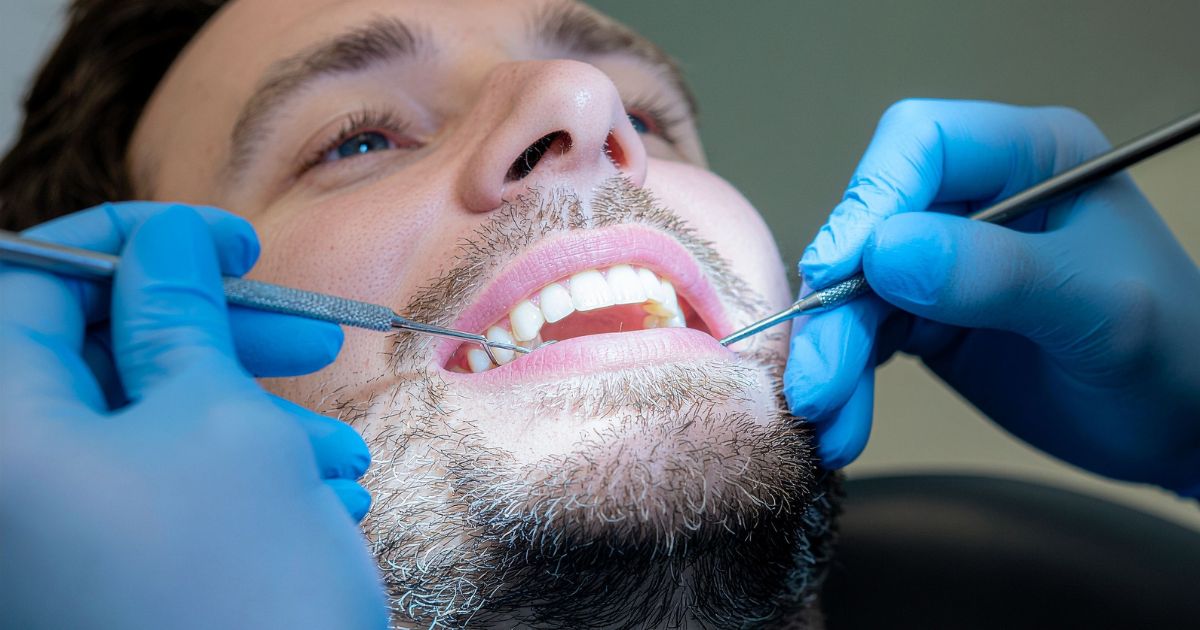
- Chipped tooth. A small piece of enamel has come off, usually from a corner or biting edge. Typically no pain and no sensitivity. The most common type, and often the simplest to fix.
- Cracked tooth. A line or fracture runs through the enamel, sometimes into the dentine below. May twinge when biting or react to hot and cold. Cracks can look minor while extending deep into the tooth.
- Fractured or broken tooth. A larger portion has come away, exposing the softer dentine or the pulp. Usually noticeable sensitivity and a sharp edge.
- Split tooth. The tooth has broken into distinct segments. This is serious, and often means the tooth cannot be fully saved as one piece.
Knowing which category you’re in helps you describe the problem when you call, and helps us plan the right appointment length.
How Dentists Repair a Broken Tooth
Yes, in most cases a broken tooth can be repaired. The route depends on how much tooth is left, whether the nerve is involved, and where the tooth sits in your mouth. Below is how we usually approach each level of damage.
Small Chips: Composite Bonding and White Fillings
For small chips and minor edge damage, composite bonding is often all that’s needed. We shape a tooth-coloured resin (the same material used for a white filling) onto the chip, cure it with a light, and polish it back to a natural finish. It’s usually a single visit, no drilling of healthy tooth, and no anaesthetic for very small repairs. For chips on back teeth, a straightforward white filling does the same job. You can read more about our general dentistry treatments.
Front Tooth Damage: Bonding and Veneers
When a front tooth has a larger break, or the chip keeps recurring, a veneer may be the more durable choice. A veneer is a thin porcelain or composite shell bonded to the front of the tooth. Both bonding and veneer routes are covered on our cosmetic dentistry in Johannesburg page.
Large Breaks: Crowns and Root Canal Treatment
For back teeth that have lost a significant chunk, or where a cusp has broken off, a crown wraps the entire tooth in porcelain or ceramic and restores the bite. If the break has exposed the nerve, or the pulp is already infected, root canal treatment cleans out the inside of the tooth and seals it, usually followed by a crown.
When the Tooth Cannot Be Saved: Extraction and Implants
When too little healthy tooth remains, or the fracture runs below the gum line, the tooth may need to be removed. A dental implant is one of the options for replacing it. Outcomes may vary and we walk through each option with you before anything is decided.
How Much Does It Cost to Fix a Broken Tooth in South Africa?
Costs vary by the type of repair, the tooth involved, and the materials used. Below are typical South African market ranges for context. Our own fees are confirmed in writing after an examination, because the right repair cannot be priced before we have seen the tooth.
| Repair type | Typical SA market range (per tooth) |
|---|---|
| Composite bonding (small chip) | R800 to R2,500 |
| White filling | R900 to R2,800 |
| Porcelain veneer | R6,000 to R12,000 |
| Crown | R7,000 to R14,000 |
| Root canal treatment | R4,500 to R9,500 |
| Extraction | R900 to R3,000 |
| Dental implant (implant, abutment, crown) | R22,000 to R38,000 |
Medical aid schemes may cover part of the cost depending on your plan and the reason for treatment. We can send a treatment plan and quote in advance so you can check with your scheme before booking.
Can You Fix a Broken Tooth at Home?
No, you cannot fix a broken tooth at home. Anyone telling you otherwise, whether it’s a video, a chemist aisle kit or a well-meaning friend, is selling a short-term cover-up, not a repair. Only a dentist can restore the structure, seal the exposed dentine, and protect the nerve underneath.
What you can do at home is protect the tooth until your appointment: save any fragment in milk or saliva, rinse gently with warm water, cover a sharp edge with dental wax or a small piece of sugar-free chewing gum, use over-the-counter pain relief as directed on the packaging, and brush carefully around the area rather than across the break.
What to avoid:
- DIY filling kits and temporary cement from the shelf. They can trap bacteria against exposed dentine and make the eventual repair harder.
- Superglue or any household adhesive. It is toxic to the pulp and gum tissue.
- Grinding or filing a sharp edge down. You risk fracturing the tooth further.
- Ignoring it because it doesn’t hurt. A pain-free break can still be losing enamel by the day.
Home care buys you time. It does not replace treatment.
Will It Get Worse if I Wait?
A pain-free chip is not an all-clear. Enamel does not regrow, so a break stays open to whatever comes next: sensitivity as dentine is exposed, decay taking hold in the rough surface, or the crack extending under chewing pressure until more of the tooth gives way. What starts as a bonding-sized repair can become a crown-sized one. That’s not a threat, it’s simply how teeth behave, and it’s why a routine appointment within days beats a rushed one in months.
Preventing the Next Break
Most broken teeth we see fall into a small set of causes. Adjust these and the odds drop noticeably.
- Wear a mouthguard for contact sport. Rugby, hockey, boxing, martial arts and cricket batting are worth a custom-fitted guard, which fits better and protects more evenly than a boil-and-bite version.
- Treat night-time grinding. If you wake with a sore jaw or flat-looking back teeth, you may be grinding in your sleep. A night guard cushions the pressure and slows enamel wear.
- Rethink the hard-food habits. Ice cubes, popcorn kernels, hard sweets, biltong sticks and bones do most of the damage we see in adults.
- Don’t use your teeth as tools. Opening bottles and tearing packaging put a lateral force on enamel that it isn’t built for.
- Keep up with check-ups. Small cracks caught early can often be sealed before they become a full break.
If you have already had one break, it is worth having a short prevention conversation at your next visit so we can look at what caused it and whether anything can be adjusted.
Frequently Asked Questions
Can a broken tooth be repaired?
Yes, in most cases a broken tooth can be repaired. Small chips are usually fixed with composite bonding or a white filling in one visit. Larger breaks may need a veneer, crown or root canal. If too little healthy tooth remains, extraction and a dental implant are options. Outcomes may vary.
What should I do if half my tooth broke off?
Rinse your mouth gently with warm water, save the fragment in milk or saliva, and control any bleeding with clean gauze. Cover any sharp edge with dental wax or sugar-free chewing gum. Use over-the-counter pain relief as directed, and phone a dentist for a same-day appointment. Do not attempt a home repair.
How much does it cost to fix a broken tooth in South Africa?
Typical South African market ranges run from around R800 to R2,500 for composite bonding on a small chip, R6,000 to R12,000 for a veneer, R7,000 to R14,000 for a crown, and R22,000 to R38,000 for a full implant. Medical aid may cover part of the fee depending on your plan.
Can a broken tooth heal on its own?
No. Unlike bone, tooth enamel does not regrow once it has broken away. The tooth will not reseal itself, and exposed dentine or nerve tissue leaves the tooth vulnerable to sensitivity, decay and infection. Only professional repair restores the structure. Protecting the tooth at home is a holding measure, not healing.
How long can I wait to fix a chipped tooth?
A small, pain-free chip can usually wait a few days for a routine appointment, though sooner is better. Anything with pain, sensitivity, a visible pink dot (exposed nerve), a loose tooth, or bleeding that won’t stop should be seen the same day. Waiting risks the break worsening or the nerve becoming involved.
Where to Find Us
Designer Smiles Inc, Rosebank
Address: 177 Jan Smuts Avenue, Lumley House, Rosebank, Johannesburg, 2196
Phone: 011 326 0938
Hours: Mon to Fri 08:00 to 16:00
Designer Smiles Inc, Bedfordview
Address: 20A Kloof Road, Cnr The Parade, Sarlan Park, Bedfordview, Johannesburg, 2008
Phone: 011 615 9352
Hours: Mon to Fri 08:00 to 16:00
Need to be seen? Book at our Rosebank or Bedfordview practice and we’ll walk you through the next step.
Book an Appointment